
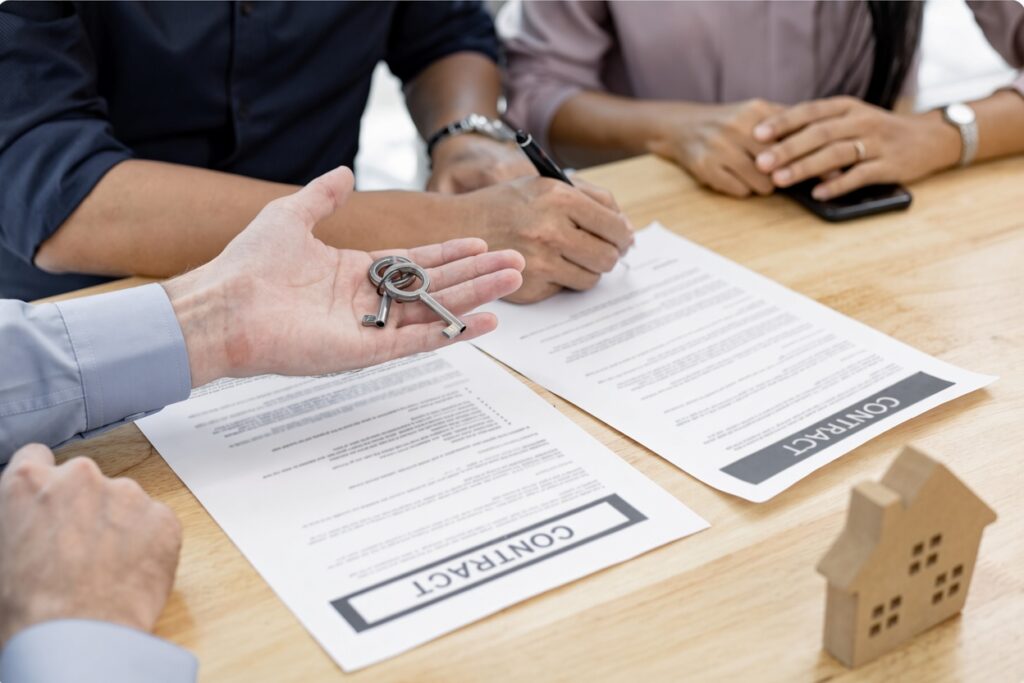
A joint borrower sole proprietor mortgage can help someone buy a home using the income of another borrower without making that supporting borrower a registered owner of the property.
This type of mortgage is commonly associated with parents helping an adult child, although lender criteria vary and other family arrangements may also be possible. The key feature is that responsibility for the mortgage and legal ownership of the property do not sit with exactly the same people.
That difference is why a lender may require the non-owner borrower to receive independent legal advice before the mortgage completes.
What Is a Joint Borrower Sole Proprietor Mortgage?
A joint borrower sole proprietor, often shortened to JBSP, mortgage is an arrangement where more than one person is named as a borrower but only the sole proprietor is registered as the legal owner of the property.
In practical terms, the supporting borrower’s income may help the application pass the lender’s affordability assessment, while the property is registered in the name of the owner borrower.
Lender rules differ, but a JBSP arrangement may be considered where:
- A parent wants to support a child buying their first home
- One applicant needs additional income to meet affordability requirements
- A family member is willing to take responsibility for the mortgage without becoming a registered owner
- The lender offers a specific family-support or JBSP mortgage product
- The mortgage offer and lender instructions should always be checked carefully because eligibility, age limits, permitted relationships and other criteria vary between lenders.
What Is the Difference Between a Borrower and a Proprietor?
The borrower is responsible for obligations under the mortgage agreement. The proprietor is the person registered as the legal owner at HM Land Registry.
In a standard joint mortgage, the same people will often be both borrowers and registered owners. A JBSP mortgage deliberately separates those positions.
For the supporting borrower, this can be significant. They may have substantial obligations under the mortgage while not being named as a legal owner on the title.
Why Might a Lender Require Independent Legal Advice?
Some lenders expressly require the non-owner borrower to obtain independent legal advice. Current lender criteria from Accord Mortgages, for example, state that independent legal advice is required for the non-proprietor borrower, while Barclays explains that its supporting “Mortgage Booster” is responsible for the mortgage but does not own a share of the property.
The purpose of ILA is to make sure the supporting borrower understands the arrangement before signing. The solicitor advising them should be acting independently rather than simply completing paperwork for the property purchase.
The appointment may cover:
- The mortgage terms and the amount being borrowed
- The supporting borrower’s repayment obligations
- The fact that the supporting borrower is not being registered as the legal owner
- What may happen if the owner borrower misses payments
- How the commitment could affect the supporting borrower’s future finances
- The circumstances in which the mortgage can be changed, repaid or refinanced
- Any lender-specific certificate or confirmation that must be completed
Could the Supporting Borrower Have to Make the Mortgage Payments?
Yes. A supporting borrower is not simply providing their income for an affordability calculation. They are a borrower under the mortgage and can be legally responsible for the debt in accordance with the mortgage terms.
If the owner borrower cannot meet the required payments, the lender may look to the other borrower or borrowers for payment. The precise extent of liability depends on the mortgage documents and should be explained during the independent legal advice appointment.
Does the Supporting Borrower Own Part of the Property?
They are not registered as the legal proprietor merely because they are named on the mortgage. That is the defining feature of a JBSP arrangement.
It is important, however, not to assume that every possible beneficial or equitable claim can be determined solely by looking at the mortgage. Property rights can depend on the wider facts and any separate agreements. If the supporting borrower expects to acquire an ownership interest, that should be discussed with an appropriate property solicitor before the transaction is completed.
Can a Supporting Borrower Be Removed Later?
Not simply by asking for their name to be taken off the mortgage.
A lender will normally need to agree to any change in the borrowers. The remaining borrower may need to demonstrate that they can afford the mortgage without the supporting borrower, or the mortgage may need to be refinanced with another lender.
This is an important point for anyone considering a long mortgage term. The supporting borrower should not assume that the arrangement will automatically end after a few years.
Could a JBSP Mortgage Affect Future Borrowing?
Potentially. Being responsible for an existing mortgage can be relevant when a lender assesses a future application for borrowing. A supporting borrower who hopes to buy or remortgage their own property later should consider the possible impact and take appropriate mortgage or financial advice.
Independent legal advice focuses on the legal obligations in the documents. It is different from regulated mortgage or financial advice about whether the product is suitable.
What Happens During an ILA Appointment?
The exact process depends on the lender, but the solicitor will usually need the mortgage offer, lender instructions and any certificate that must be completed. Identity checks will also be required.
During the appointment, the solicitor will explain the documents and give the supporting borrower an opportunity to ask questions privately. The solicitor must be satisfied that the client understands the transaction and is choosing to proceed freely.
Once the advice has been given, the solicitor may complete the lender’s ILA certificate or provide another form of confirmation required for completion.
Arrange Independent Legal Advice for a JBSP Mortgage
A joint borrower sole proprietor mortgage can be a useful way for one person to support another, but the supporting borrower is accepting a genuine legal and financial commitment without being registered as the owner of the property.
The ILA Experts provide independent legal advice for Joint Borrower Sole Proprietor arrangements, helping clients understand the mortgage documents, their obligations and the risks before they sign.
Related topics
What does joint borrower sole proprietor mean?
It means more than one person is responsible for the mortgage borrowing, while only the sole proprietor is registered as the legal owner of the property.
Does the non-owner borrower need independent legal advice?
This depends on the lender, but a number of UK lenders expressly require the non-owner or supporting borrower to obtain independent legal advice before completion.
Can a parent be a supporting borrower on a JBSP mortgage?
Often, yes, although each lender has its own rules about acceptable relationships, ages and affordability.
Can the supporting borrower come off the mortgage later?
Only if the lender agrees or the mortgage is repaid or refinanced. The remaining borrower may need to prove they can afford the mortgage alone.
Does being on the mortgage put the supporting borrower on the title deeds?
No. In a JBSP arrangement the supporting borrower is deliberately not registered as the legal proprietor.